Publications
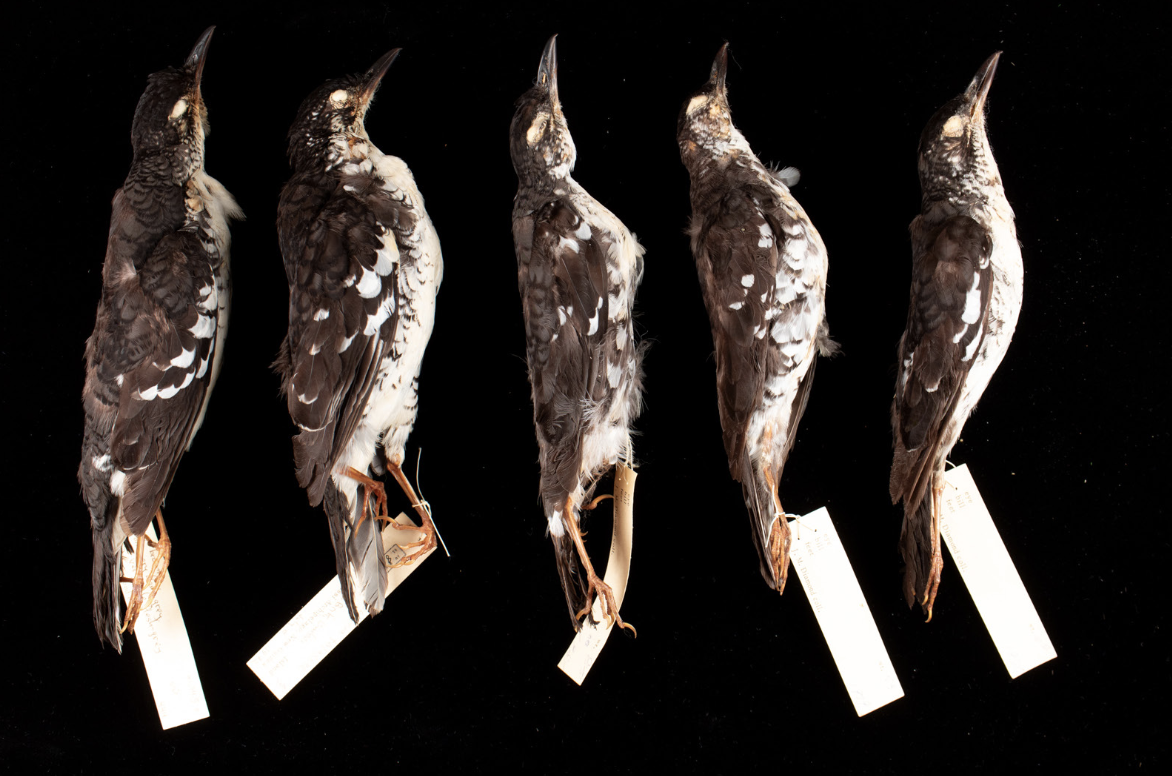
Three records of the New Britain Thrush (Zoothera talaseae) from Papua New Guinea in the 21st century
Gregg, J., Jacobs, S., Paduong, V., Pose, P., Quelennec, M., Quelennec, T., Iova, B., Toko, P., Sam, K., Dutson, G., Korejs, K., Koane, B., Hazell, R., Linck, E.B.
Journal of Lost Species, 2026We report a 2024 camera trap capture of the rare New Britain Thrush from the Whiteman Range in West New Britain Province, Papua New Guinea. We review all known records of the species—a mere 15 total—and discuss its conservation status.
- DOI: 10.66264/3c8z5qxh
- Full Text
Access the paper
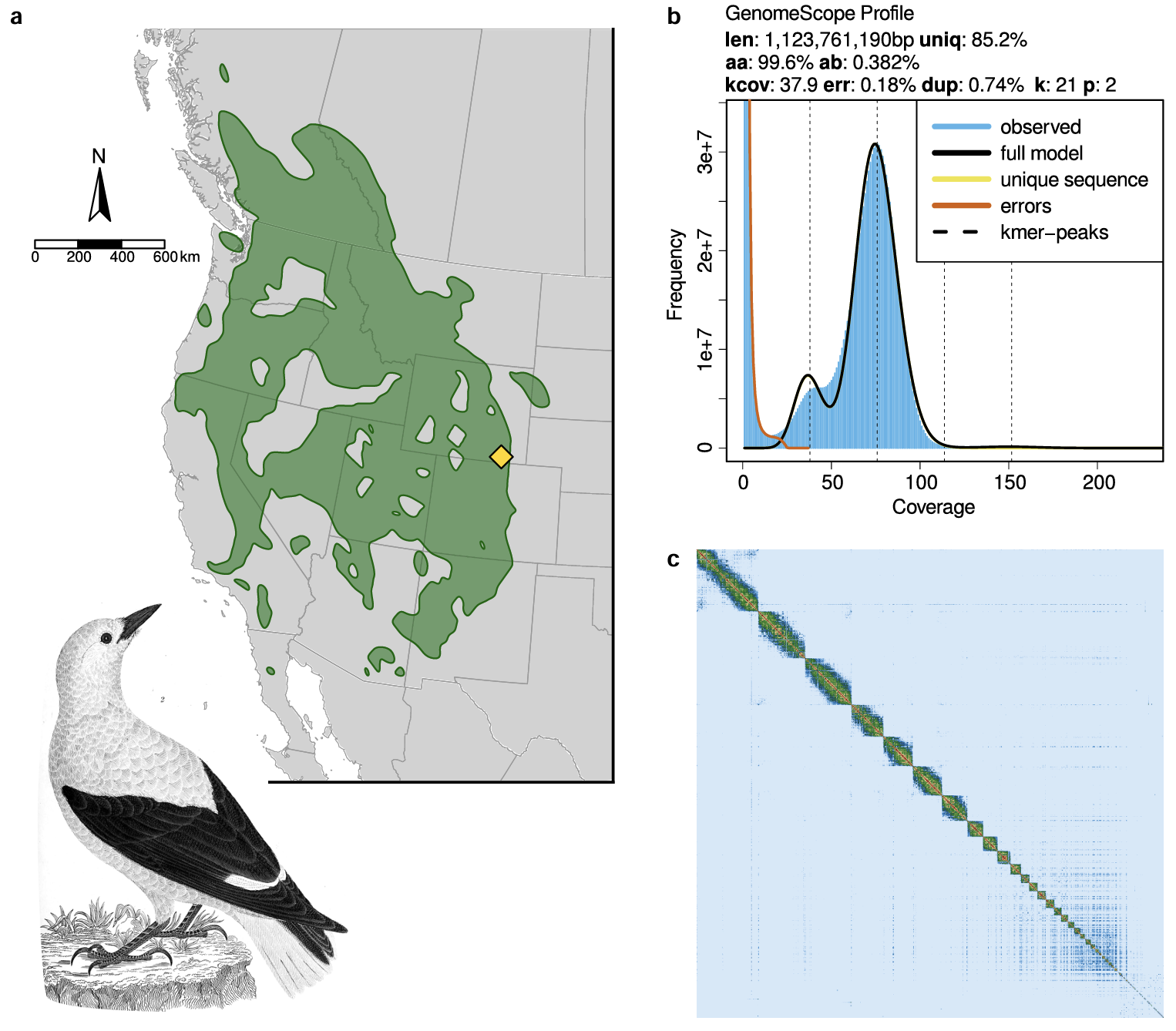
A chromosome-scale genome assembly for Clark’s Nutcracker (Nucifraga columbiana)
Innes, P., Carling, M., Linck, E.B.
G3: Genes, Genomes, Genetics, 2026We describe a new, highly contiguous reference genome for an ecologically important, montane North American corvid. We use these data to show the species has experienced long term declines in effective population size.
- DOI: 10.1093/g3journal/jkag055
- Full Text
Access the paper
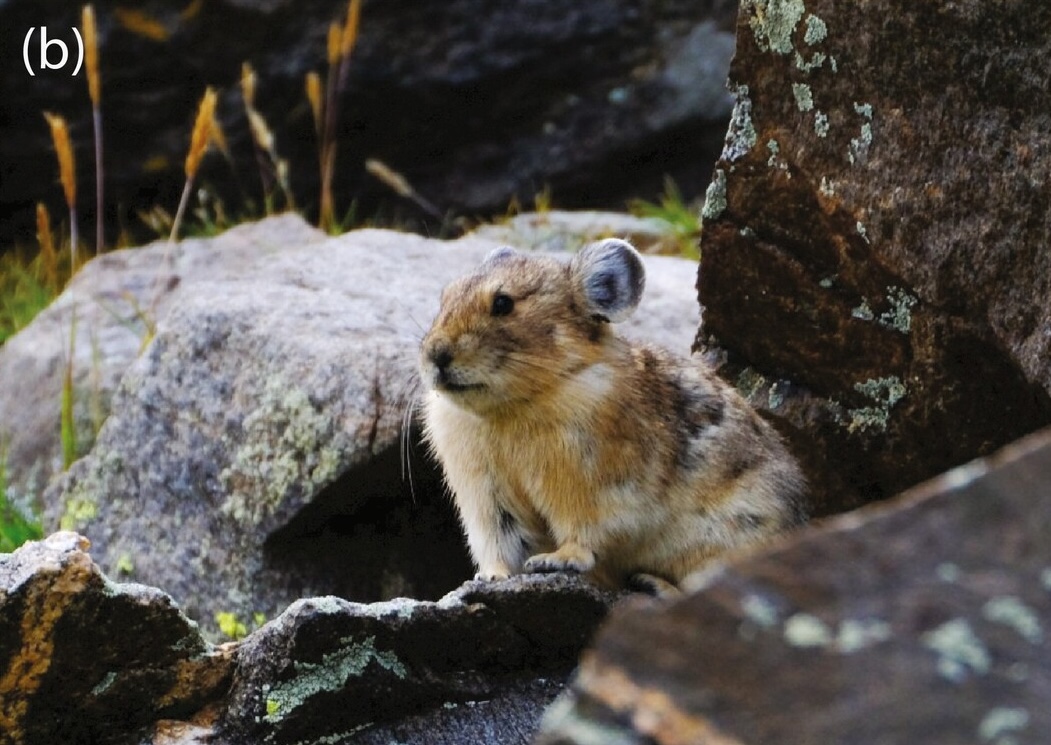
Genomic Evidence for Local Adaptation to Elevation and Climate Sheds New Light on Variable Responses to Global Change in American Pikas (Ochotona princeps)
Beever, E., Osterhoudt, E., Linck, E.B.
Molecular Ecology, 2026We discuss the implications of Farrand et al.’s 2025 study on genomic signatures of local adaptation in American Pikas, including future research directions.
- DOI: 10.1111/mec.70238
- Full Text
Access the paper
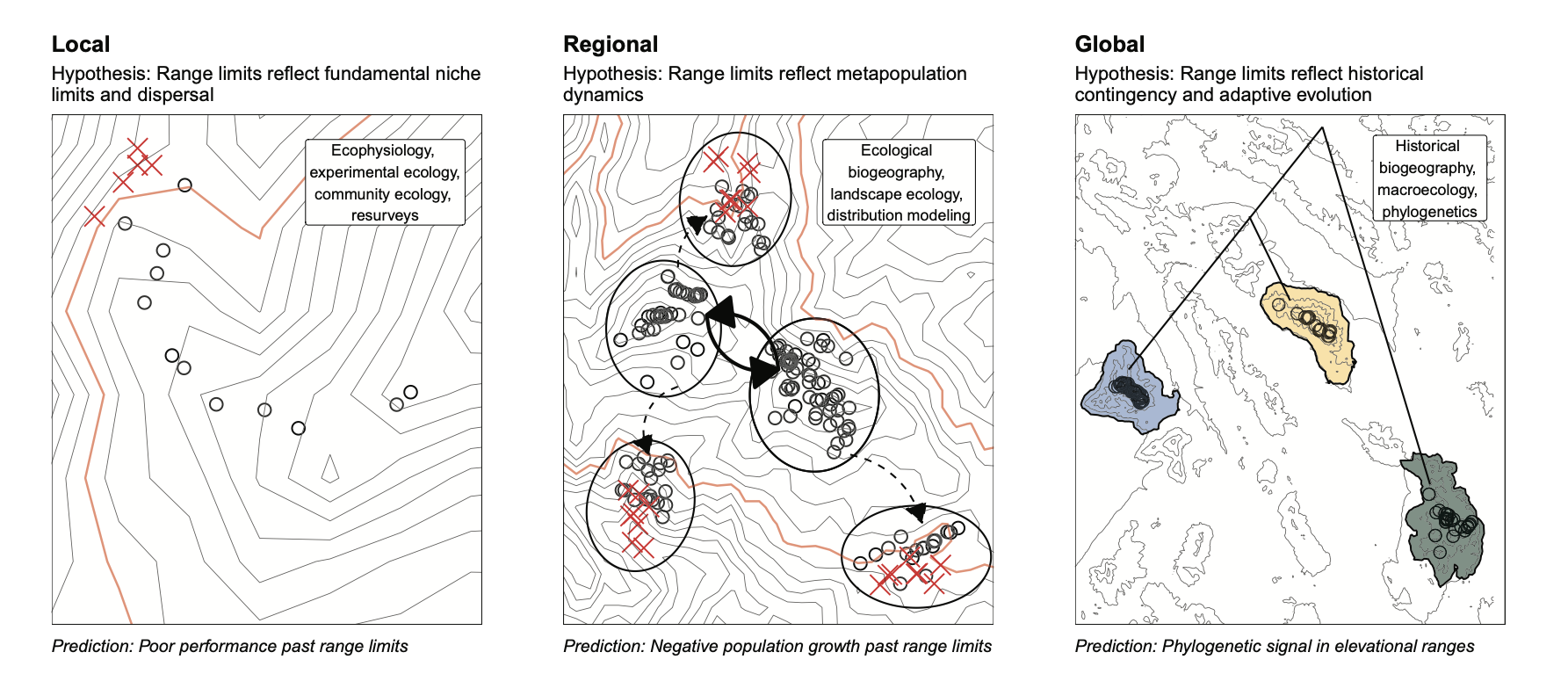
What is an elevational range?
Linck, E.B.
The American Naturalist, 2025I discuss quantitative and conceptual attributes of elevational distributions and their implications for studying range shifts under climate change.
- DOI: 10.1086/737130
- Full Text
Access the paper
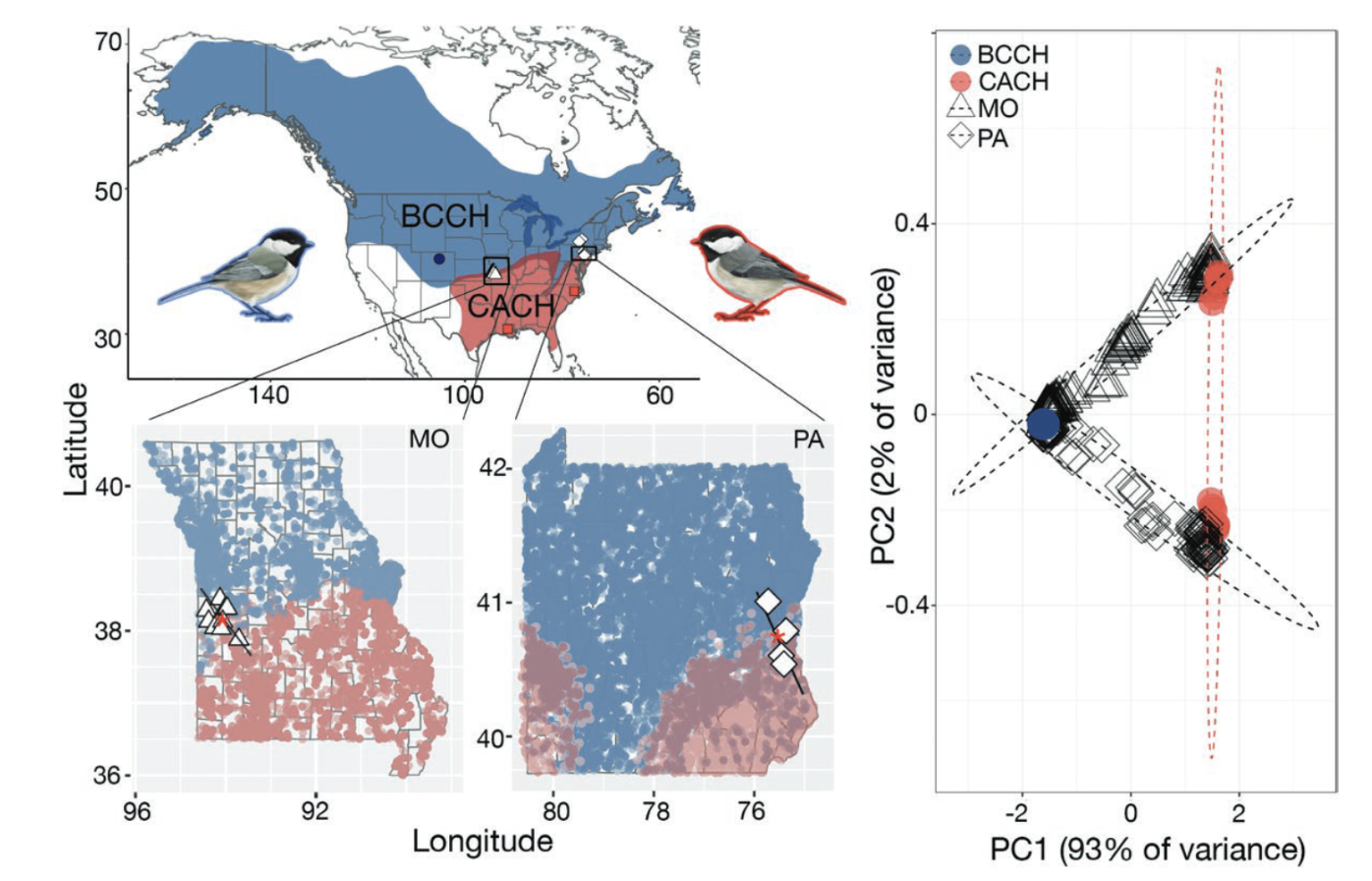
Replicate geographic transects across a hybrid zone reveal parallelism and differences in the genetic architecture of reproductive isolation
Semenov, G., Kenyon, H., Funk, E., Anderson, W., McQuillan, M., Spinelli, J., Russell, A., Martinez, N., Van Huynh, A., Alexander, A., Schweizer, R., Linck, E.B., Cheviron, Z., Carling, M., Roth, T., Robbins, M., Rice, A., Taylor, S.
Evolution Letters, 2025We use geographically distant hybrid zones between the same two chickadee species to show there is partial but incomplete overlap in the sets of genes inferred to contribute to speciation in each location.
- DOI: 10.1093/evlett/qraf009
- Full Text
Access the paper
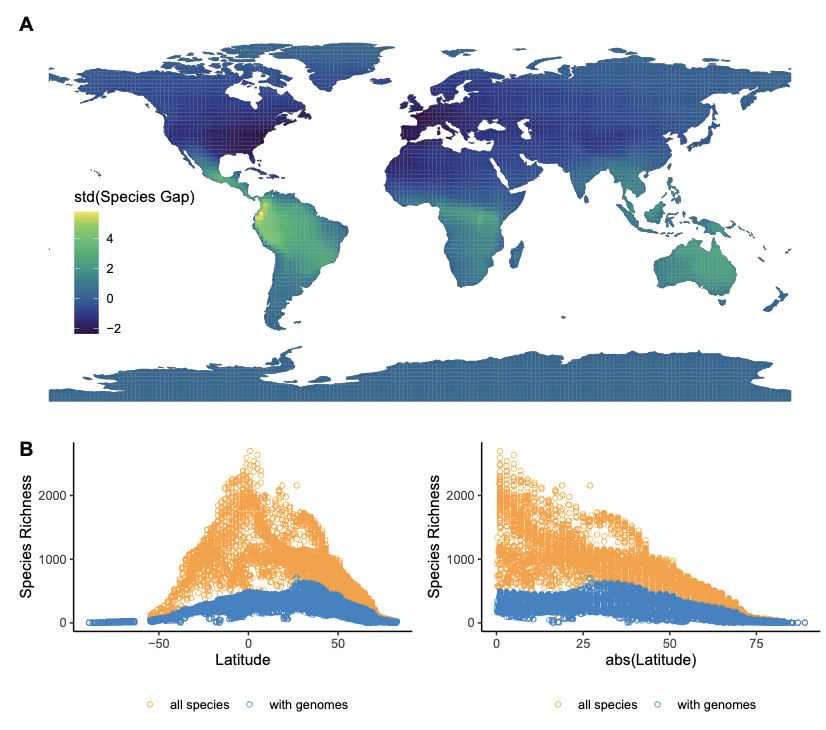
A latitudinal gradient of reference genomes
Linck, E.B., Cadena, C.D.
Molecular Ecology, 2024We show that tetrapod species with published reference genomes do not reflect the latitudinal gradient of biodiversity as described by natural history collections. We further show that researchers in the Global South rarely use genomic data in conservation genetics studies.
Wiley Top Cited Article, 2025
- DOI: 10.1111/mec.17551
- Full Text
- News from Science
- Phys.org
Access the paper
Additional Links
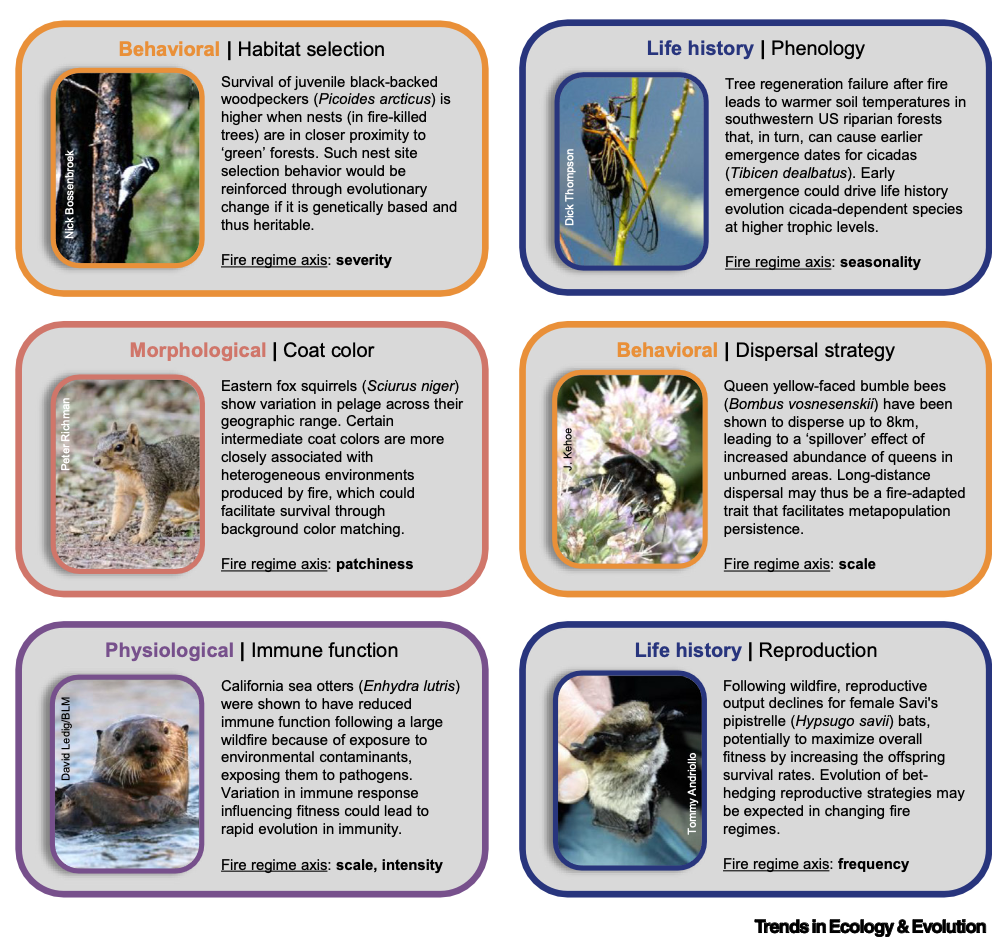
Fire-adapted traits in animals
Jones, G.M., Goldberg, J.F., Wilcox, T.M., Buckley, L.B., Parr, C.L., Linck, E.B., Fountain, E.D., Schwartz, M.K.
Trends in Ecology & Evolution, 2023We respond to Nimmo et al.’s (2025)’s suggestion that we expand our framework for studying adaptations to fire in animals, highlighting overlap in our trait categories while acknowledging our list was not exhaustive.
- DOI: 10.1016/j.tree.2023.09.016
- Full Text
Access the paper
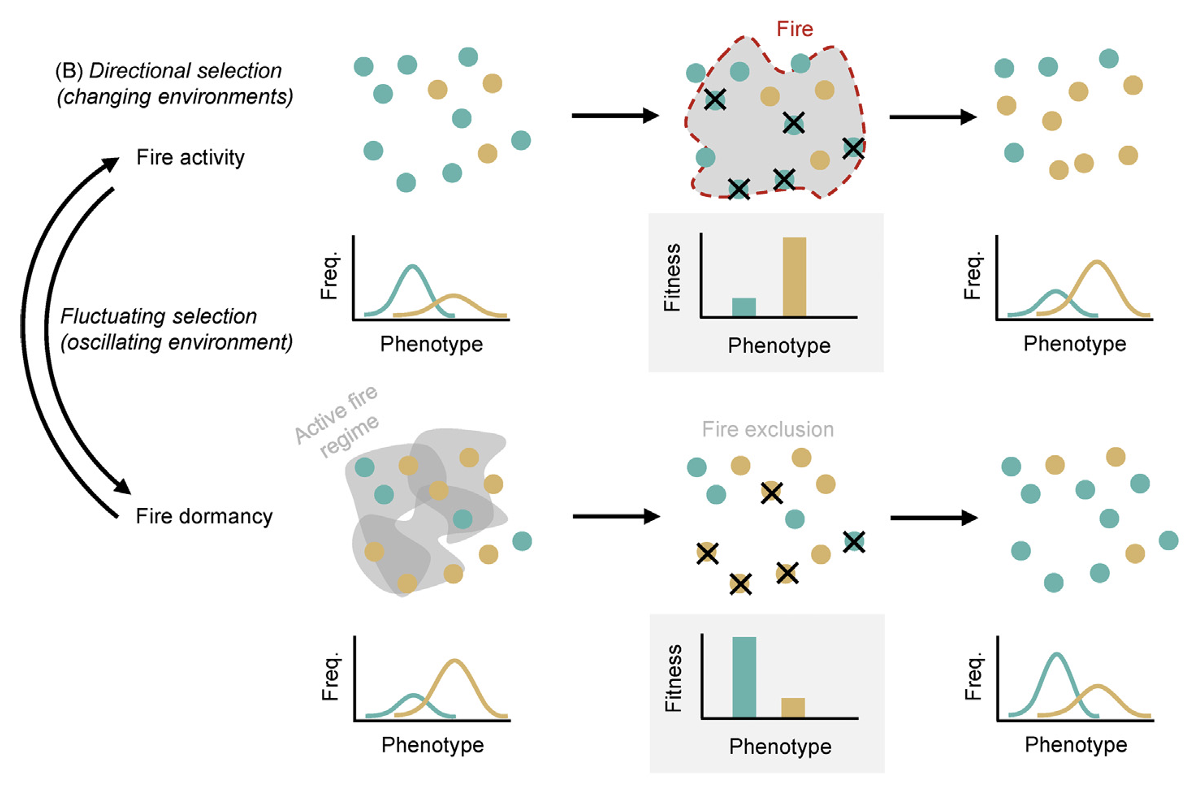
Fire-driven animal evolution in the Pyrocene
Jones, G.M., Goldberg, J.F., Wilcox, T.M., Buckley, L.B., Parr, C.L., Linck, E.B., Fountain, E.D., Schwartz, M.K.
Trends in Ecology and Evolution, 2023We review evidence for evolutionary change in animals driven by fire regimes and discuss the mechanisms responsible. We highlight priorities for research on evolutionary responses to fire to inform conservation in the ‘Pyrocene’.
- DOI: 10.1016/j.tree.2023.06.003
- Full Text
- High Country News
- The Washington Post
- Vox
- Nautilus
Access the paper
Additional Links
Hummingbird blood traits track oxygen availability across space and time
Williamson, J.L.*, Linck, E.B., Bautista, E., Smiley, A., McGuire, J.A., Dudley, R., Witt, C.C.
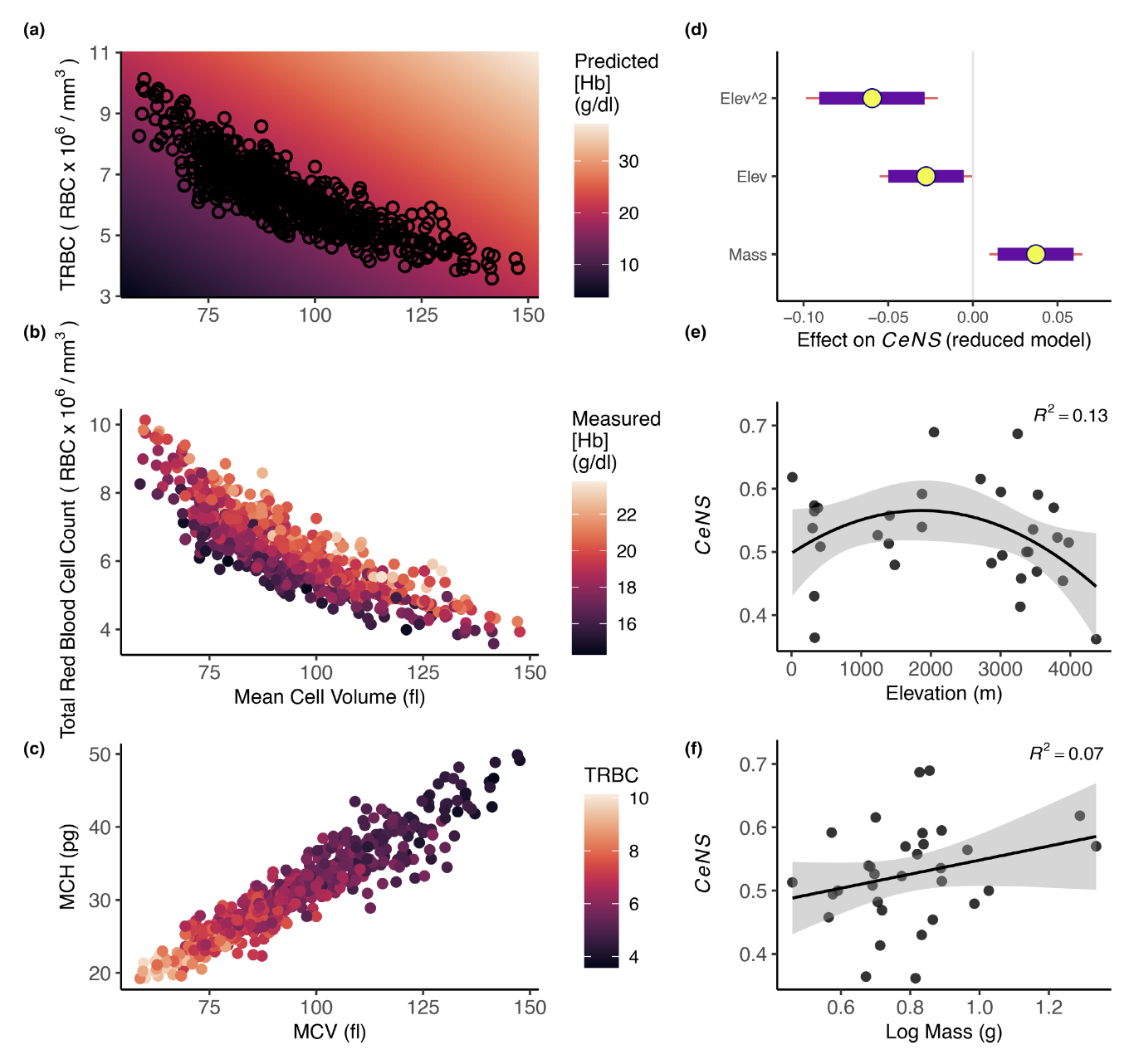
Ecology Letters, 2023We show elevational variation in blood hemoglobin concentration is similar among and within Andean hummingbird species, suggesting the physics of gas exchange is responsible, not species-specific differences. We further find species at elevational extremes adjust hemoglobin concentration by cell size, while those at moderate elevations respond by altering cell number.
- DOI: 10.1111/ele.14235
- Full Text
Access the paper
Blood variation implicates respiratory limits on elevational ranges of Andean birds
Linck, E.B., Williamson, J.L.*, Bautista, E., Beckman, E.J., Benham, P.M., DuBay, S.G., Flores, L.M., Gadek, C.R., Johnson, A.B., Jones, M.R., Núñez-Zapata, J., Quiñonez, A., Schmitt, C.J., Susanibar, D., Tiravanti, J., Verde-Guerra, K., Wright, N.A., Valqui, T., Storz, J.F., Witt, C.C.
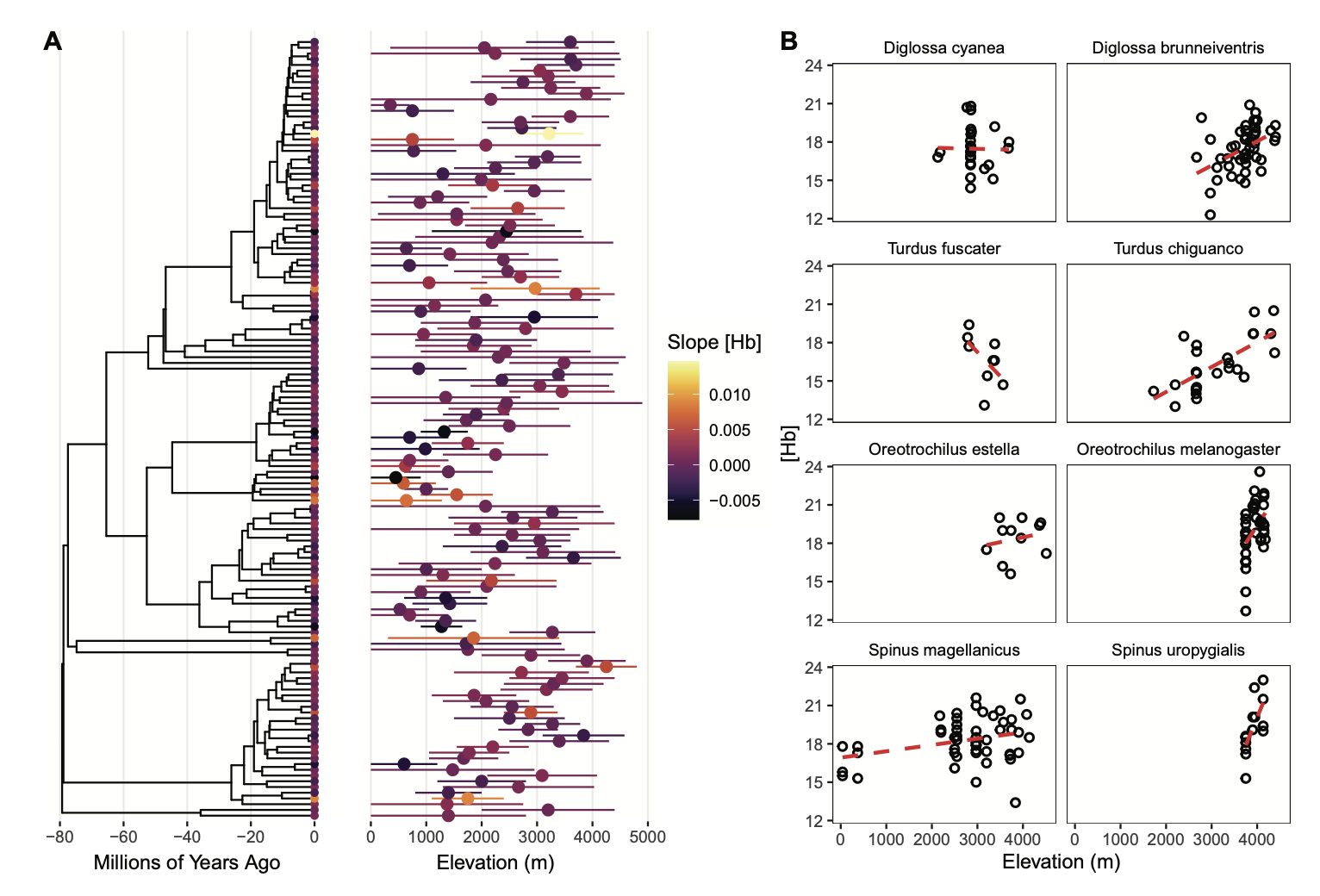
The American Naturalist, 2023We show that plasticity in blood trait values in Andean birds is positively correlated with elevational range breadth, potentially due to improved acclimatization ability to low-oxygen environments. We further show that variance in blood trait values is reduced near elevational range limits, potentially restricting distributions.
- DOI: 10.1086/723222
- Full Text
Access the paper
Barriers and gradients: the formation of montane diversity
Pujolar, J.M., Blom, M.P.K., Reeve, A.H., Kennedy, J.D., Marki, P.M., Freeman, B.G., Sam, K., Linck, E.B., Haryoko, T., Iova, B., Koane, B., Maia, G., Paul, L., Irestedt, M., Jønnson, K.A.
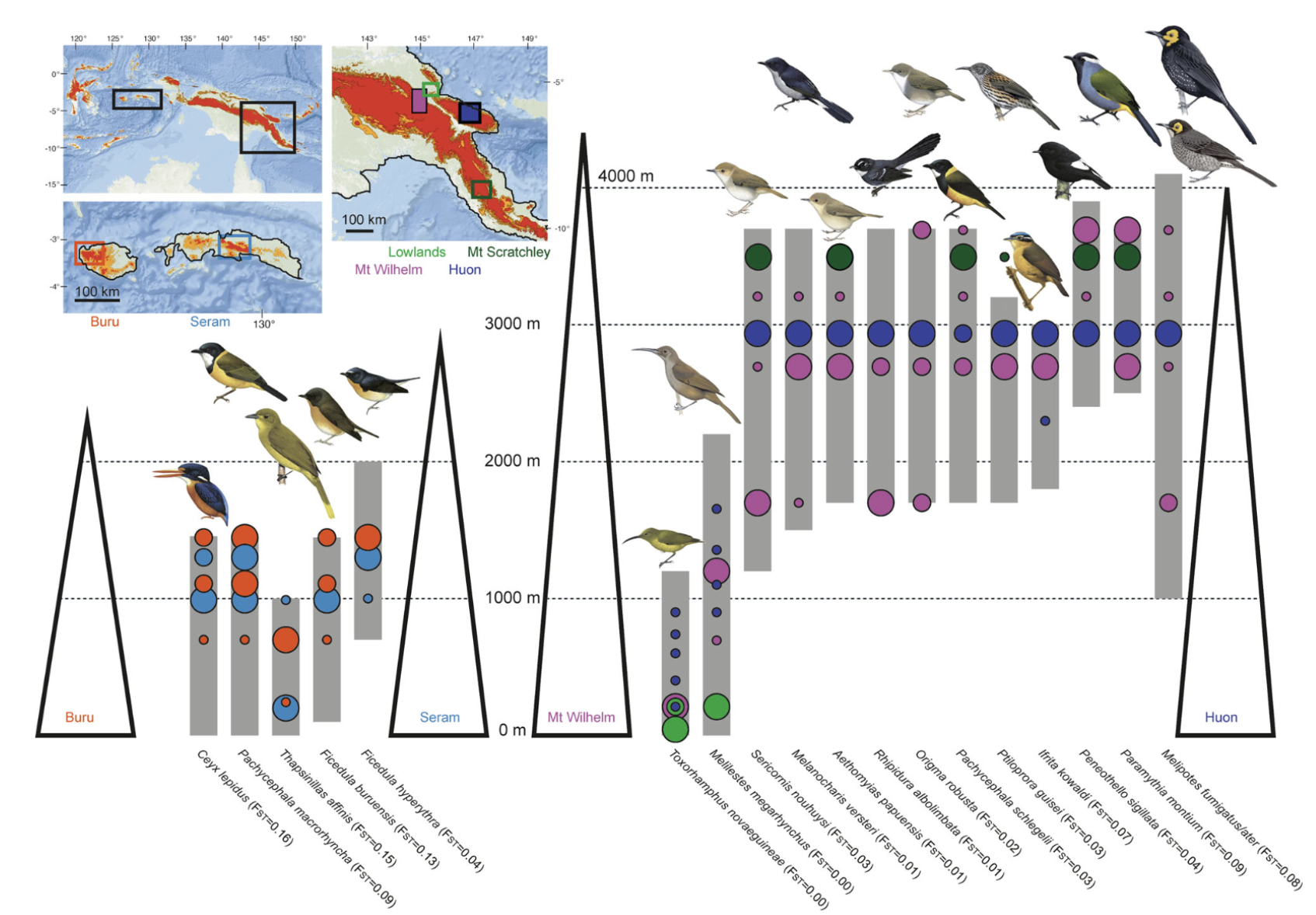
Nature Communications, 2022We find population differentiation in New Guinean and Wallacean birds to be correlated with the scale of geographic barriers and each species’ minimum elevation of occurrence. Pleistocene climate cycles most strongly impacted historical effective population sizes in range-restricted taxa.
- DOI: 10.1038/s41467-021-27858-5
- Full Text
- Phys.org
Access the paper
Additional Link
Evolutionary conservatism will limit responses to climate change in the tropics
Linck, E.B., Freeman, B.G., Cadena, C.D., Ghalambor, C.K.
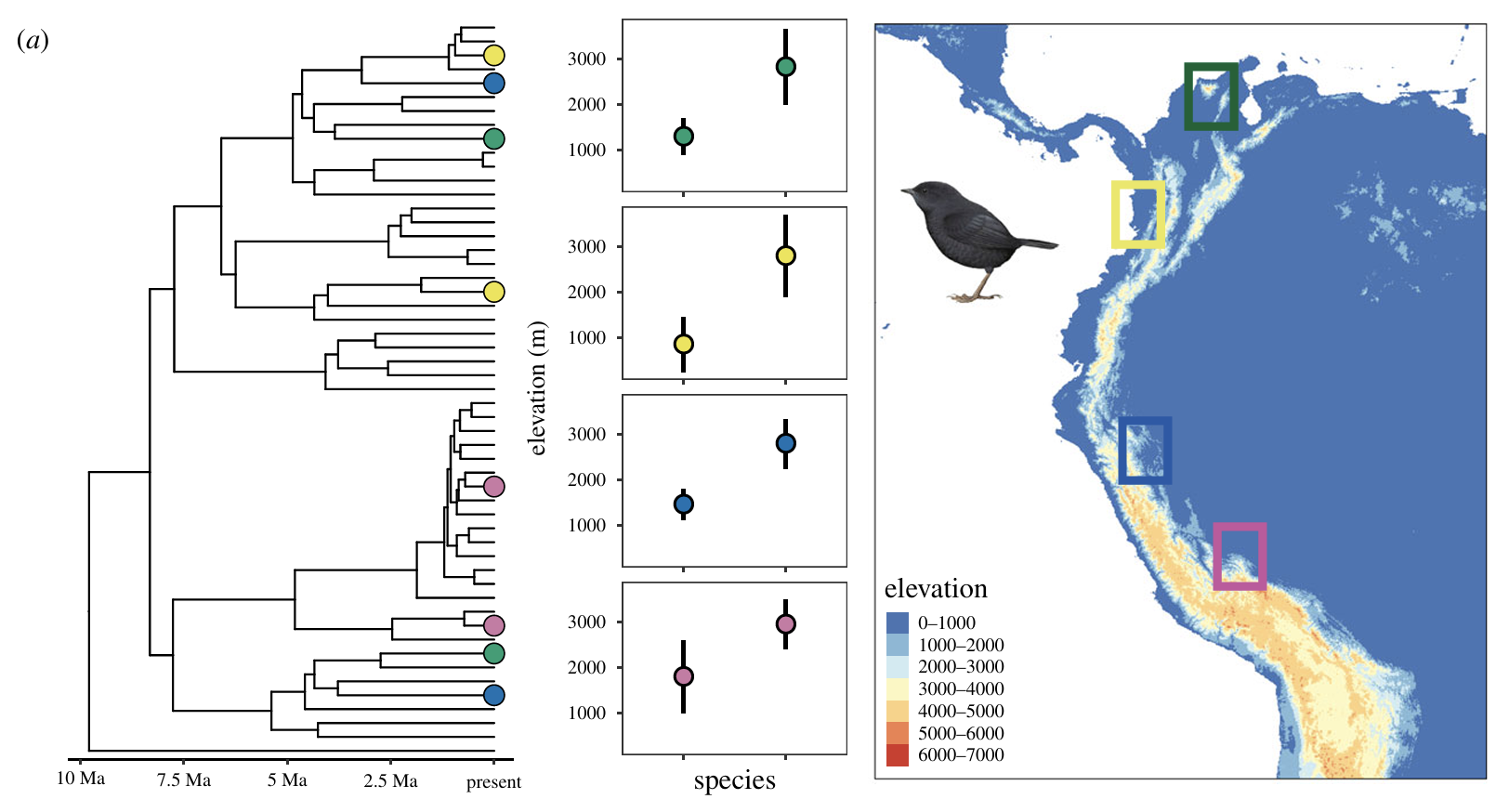
Biology Letters, 2021Closely related tropical bird species typically have similar elevational ranges and experience similar climatic conditions, while species that differ in these traits tend to be more distantly related. We argue this pattern suggests tropical vertebrates will track changing climate conditions instead of adapting in place, requiring protected habitat corridors to higher elevations and latitudes.
- DOI: 10.1098/rsbl.2021.0363
- Full Text
Access the paper
Asymmetric introgression reveals the genetic architecture of a plumage trait
Semenov, G.A., Linck, E.B., Enbody, E.D., Harris, R.B., Khaydarov, D.R., Alström, P., Andersson, L., Taylor, S.A.
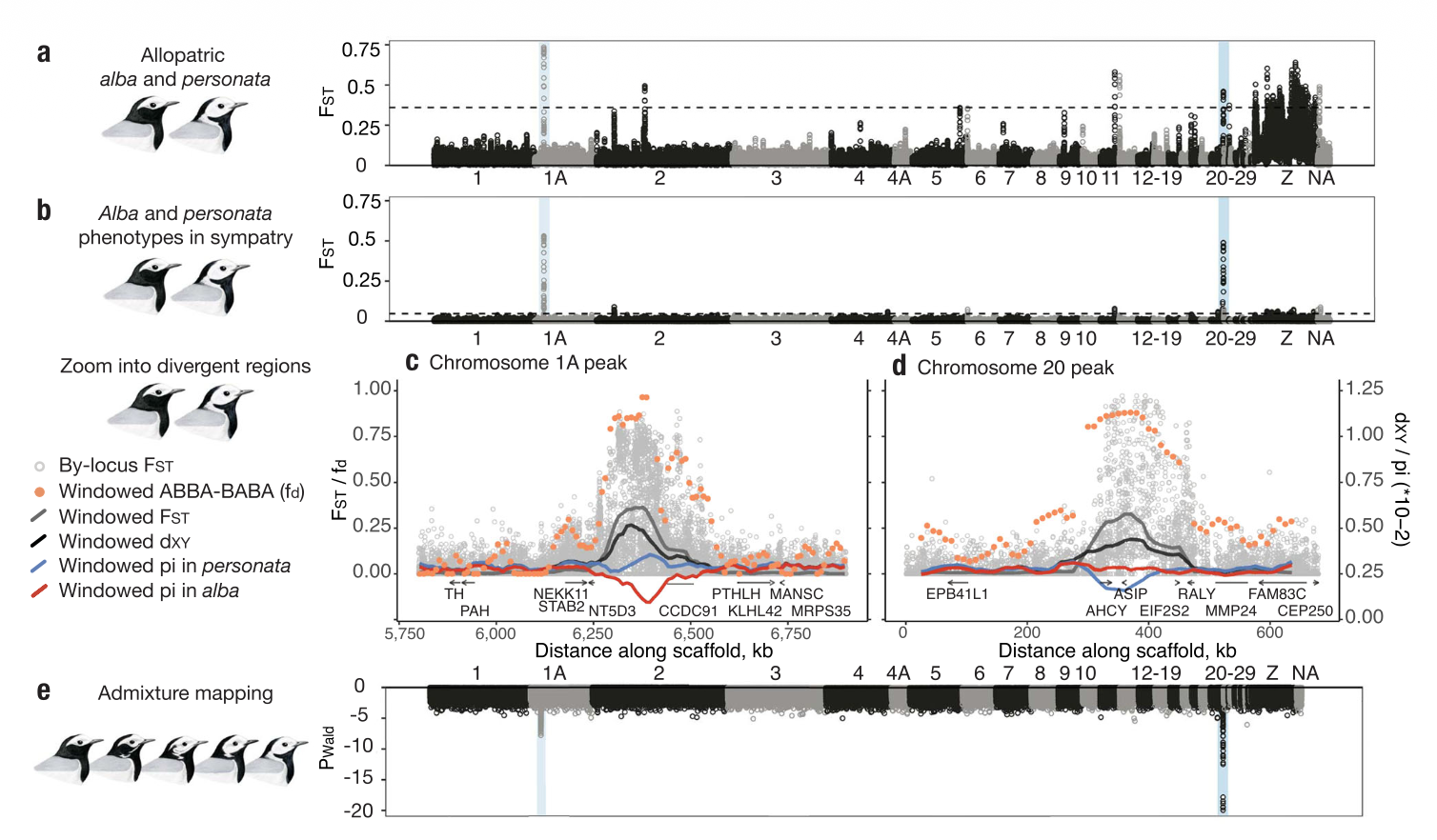
Nature Communications, 2021Plumage patterns change differently than average genomic ancestry in a hybrid zone between White Wagtail subspecies in Siberia. We show that two small genetic regions are responsible for these traits, which interact and have a partially dominant inheritance pattern.
- DOI: 10.1038/s41467-021-21340-y
- Full Text
Access the paper
Climate-driven range shifts of montane species vary with elevation
Mamantov, M.A.;, Gibson-Reinemer, D.K., Linck, E., Sheldon, K.S.
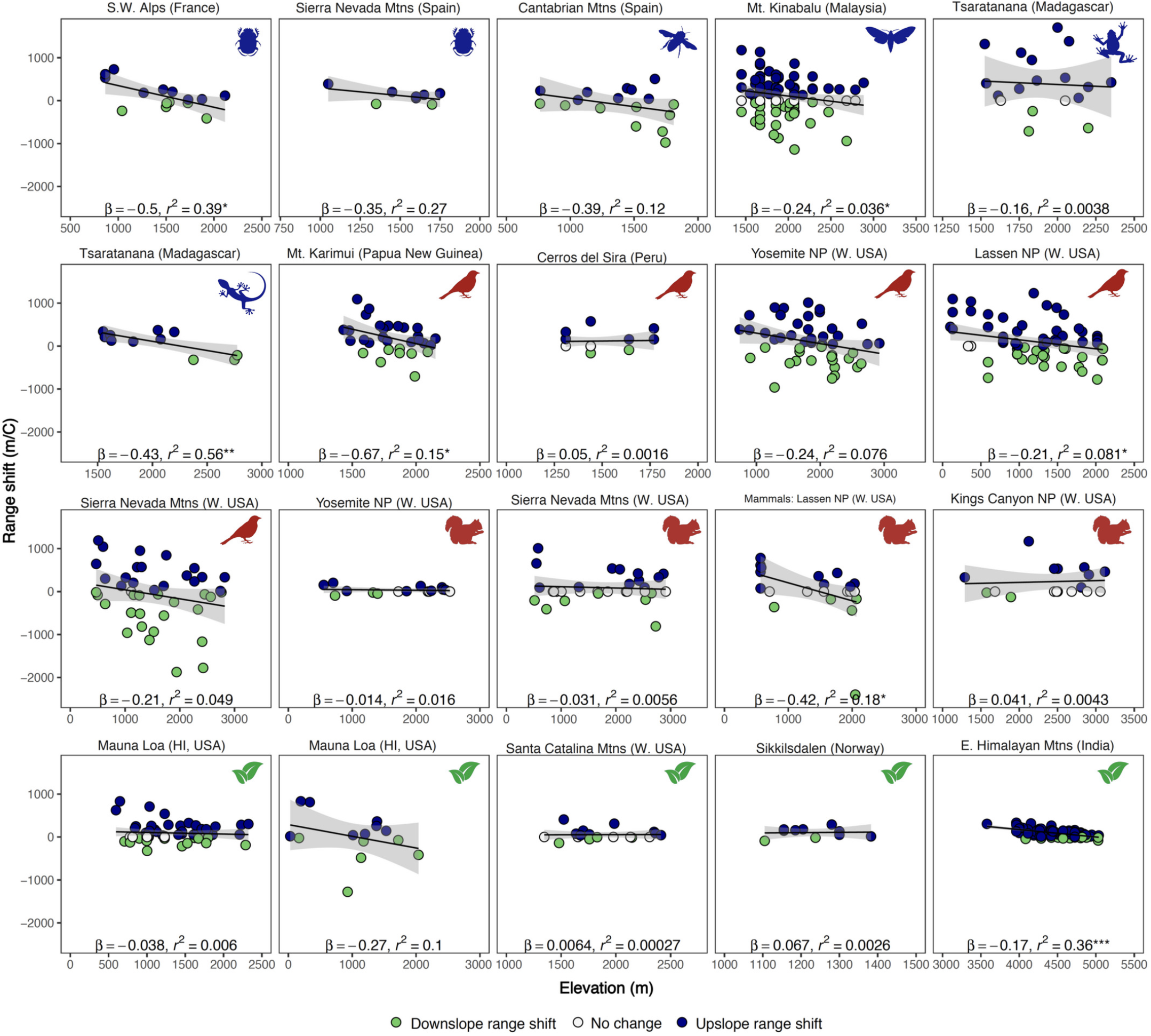
Global Ecology and Biogeography, 2021Many species are shifting their ranges to higher elevations in response to global warming. We perform a meta-analysis to show that low elevation species are doing so more rapidly, possibly because high elevation species experience greater daily changes in climate and thus can tolerate more extreme conditions.
- DOI: 10.1111/geb.13246
- Full Text
Access the paper
Speciation and gene flow across an elevational gradient in New Guinea kingfishers
Linck, E.B., Freeman, B.G., Dumbacher, J.P.
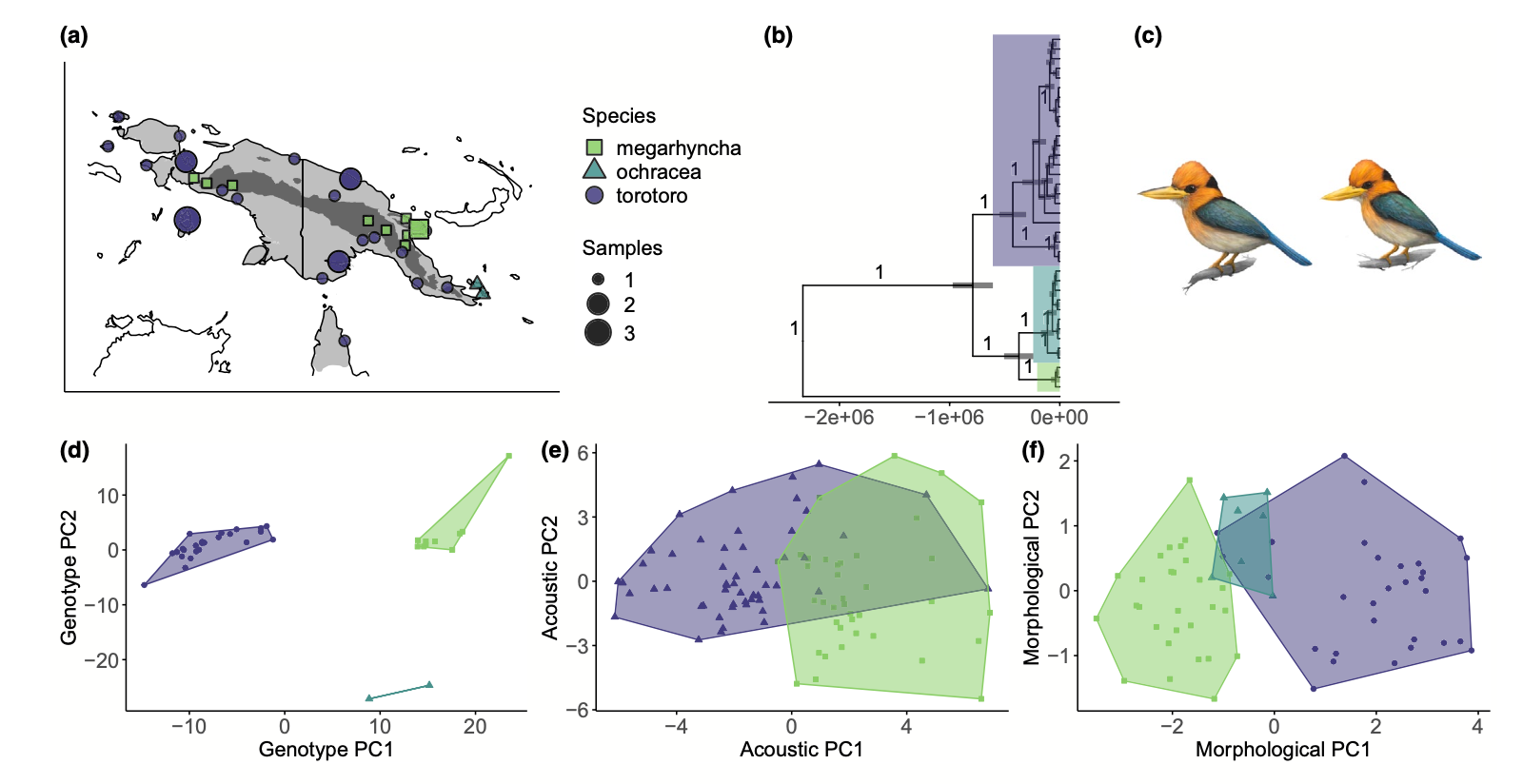
Journal of Evolutionary Biology, 2020We show that closely related terrestrial New Guinea kingfishers that live at different elevations likely diverged in isolation but have since hybridized, possibly counteracted by natural selection across mountainsides. We review studies of other bird species pairs with similar distributions and find limited evidence for gene flow during the initial stages of divergence, casting doubt on widespread parapatric speciation.
- DOI: 10.1111/jeb.13698
- Full Text
Access the paper
Varied abundance and functional diversity in the surviving bird communities of the Mariana Islands
Linck, E.B., Fricke, E., Rogers, H.
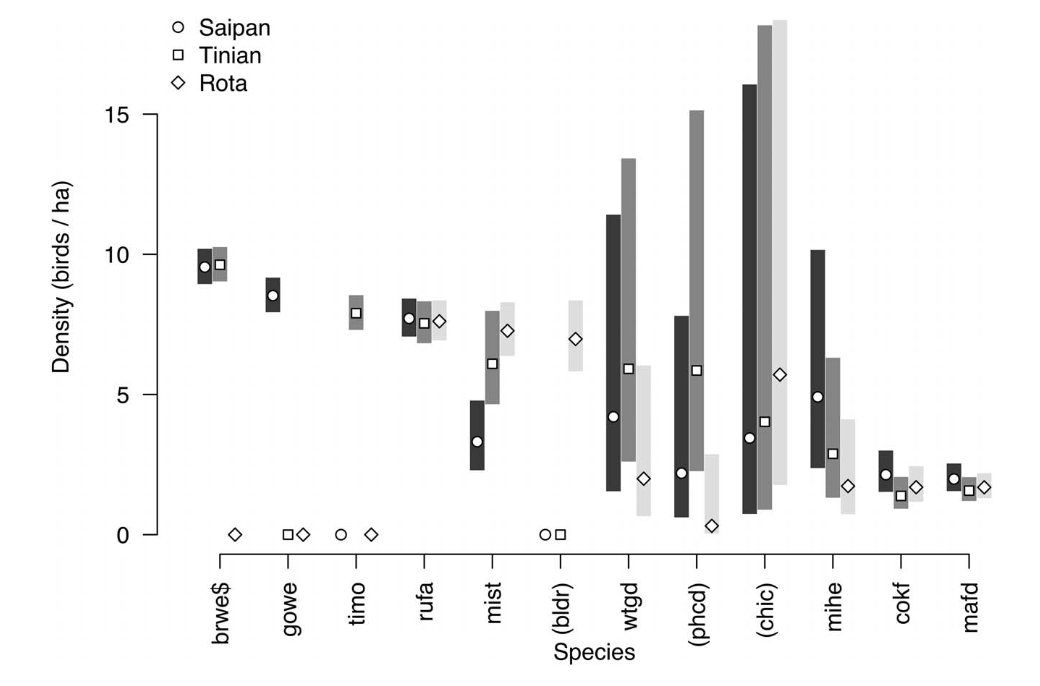
The Wilson Journal of Ornithology, 2020We describe variation in abundance, species richness, and functional diversity in karst forest bird communities in the Mariana Islands in Micronesia. We find the island of Rota has high functional diversity but fewer species and birds per hectare. Given the extinction of almost all forest birds on nearby Guam, we suggest continued monitoring is a conservation priority in the archipelago.
- DOI: 10.1676/1559-4491-132.1.22
- Full Text
Access the paper
Panmixia across elevation in thermally sensitive Andean dung beetles
Linck, E.B., Celi, J.E., Sheldon, K.S.
Ecology and Evolution, 2020We show that gene flow is not restricted across elevation in five Andean dung beetle species with narrow distributions and temperature tolerances. This finding may be explained by the mobility required to take advantage of a scattered, ephemeral resource.
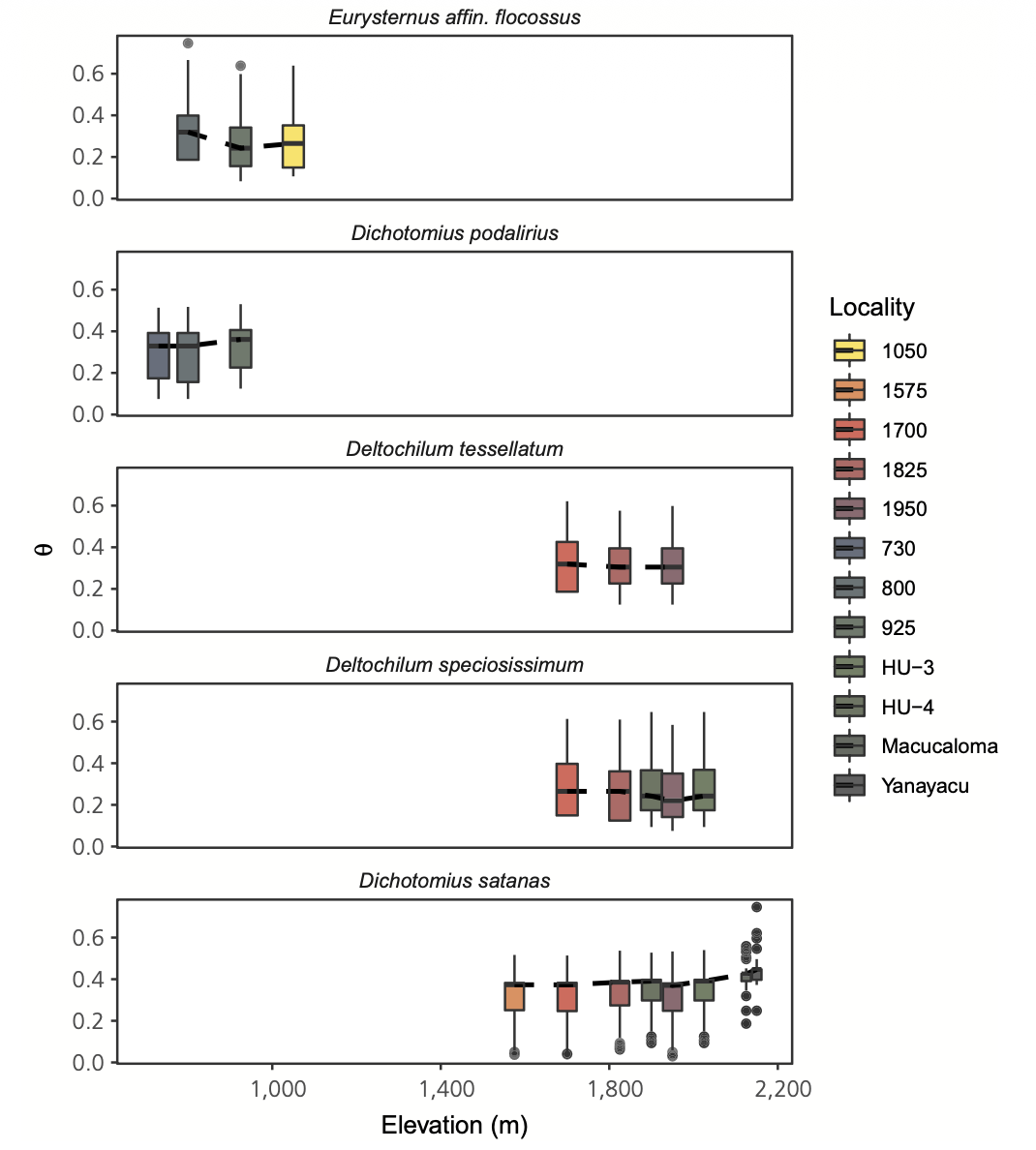
- DOI: 10.1002/ece3.6185
- Full Text
Access the paper
Bird Species: How They Arise, Modify and Vanish
Linck, E.B.
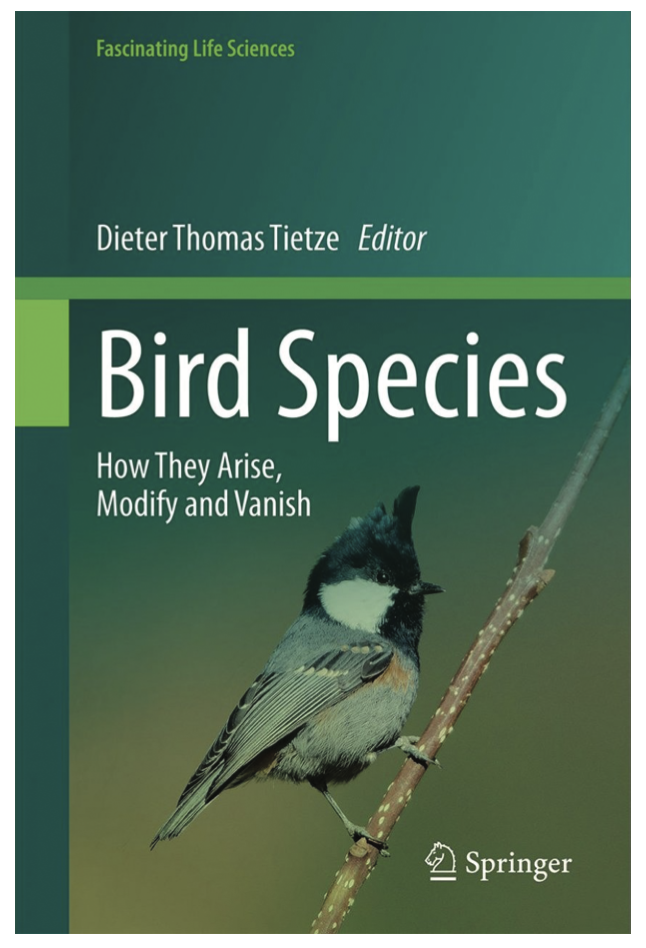
The Auk, 2020I review a digital textbook on bird speciation.
- DOI: 10.1093/auk/ukaa004
- Full Text
Access the paper
Dense geographic and genomic sampling reveals paraphyly and a cryptic lineage in a classic sibling species complex
Linck, E.B., Epperly, K., van Els, P., Spellman, G.M., Bryson Jr., RW., Canales-del-Castillo, R., McCormack, J.E., Klicka, J.
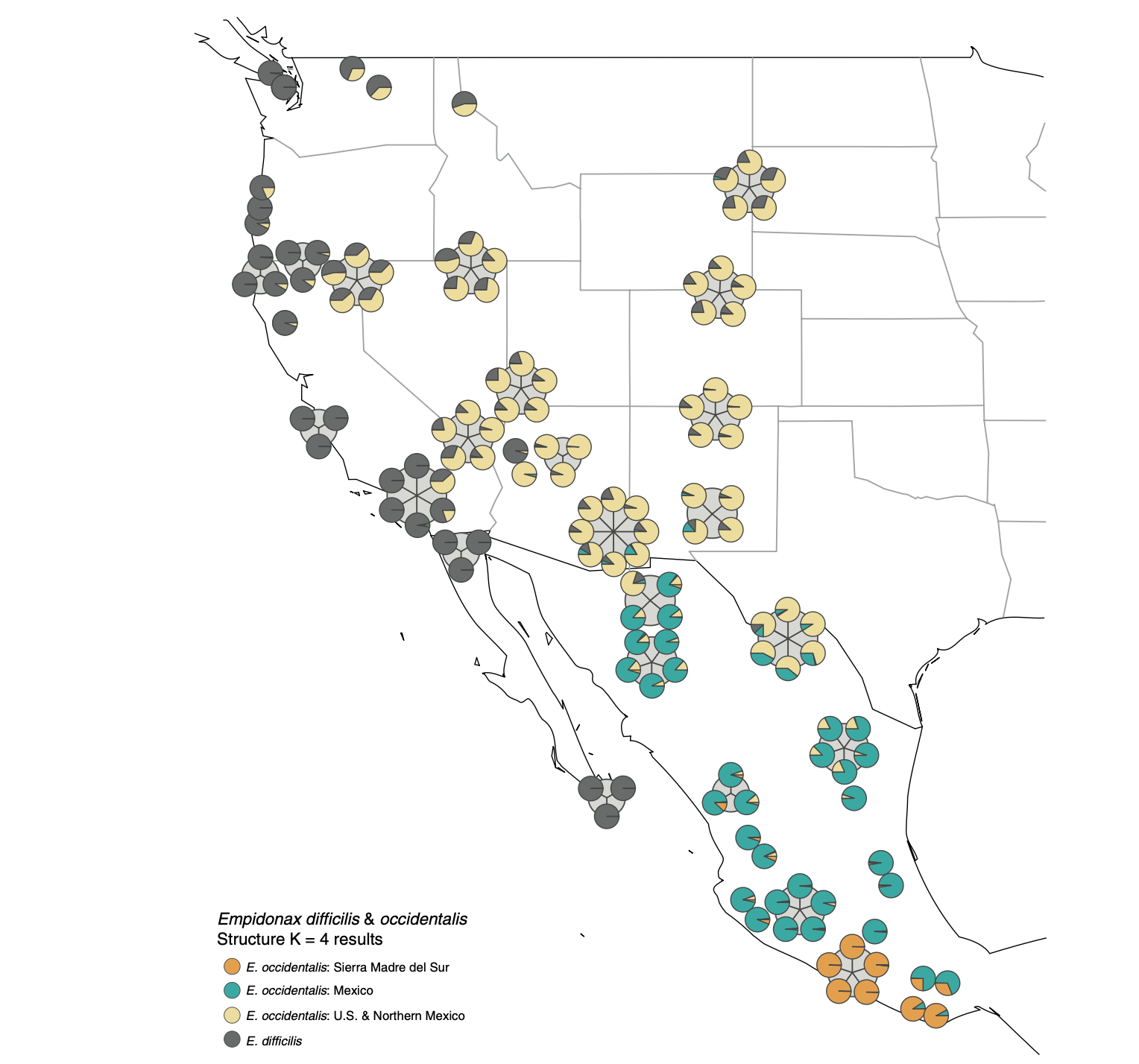
Systematic Biology, 2019We demonstrate the importance of broad georgaphic sampling by showing that some populations of Cordilleran Flycatcher (E. occidentalis) are more closely related to Pacific Slope Flycatcher (E. difficilis) than their own conspecifics in Mexico. We further identify a Cordilleran Flycatcher population in the Sierra Madre del Sur as highly distinctive. This study led to lumping E. occidentalis and E. difficilis to resurrect Western Flycatcher E difficilis (see links below).
Minor allele frequency thresholds strongly affect population structure inference with genomic datasets
Linck, E.B., Battey, C.J.
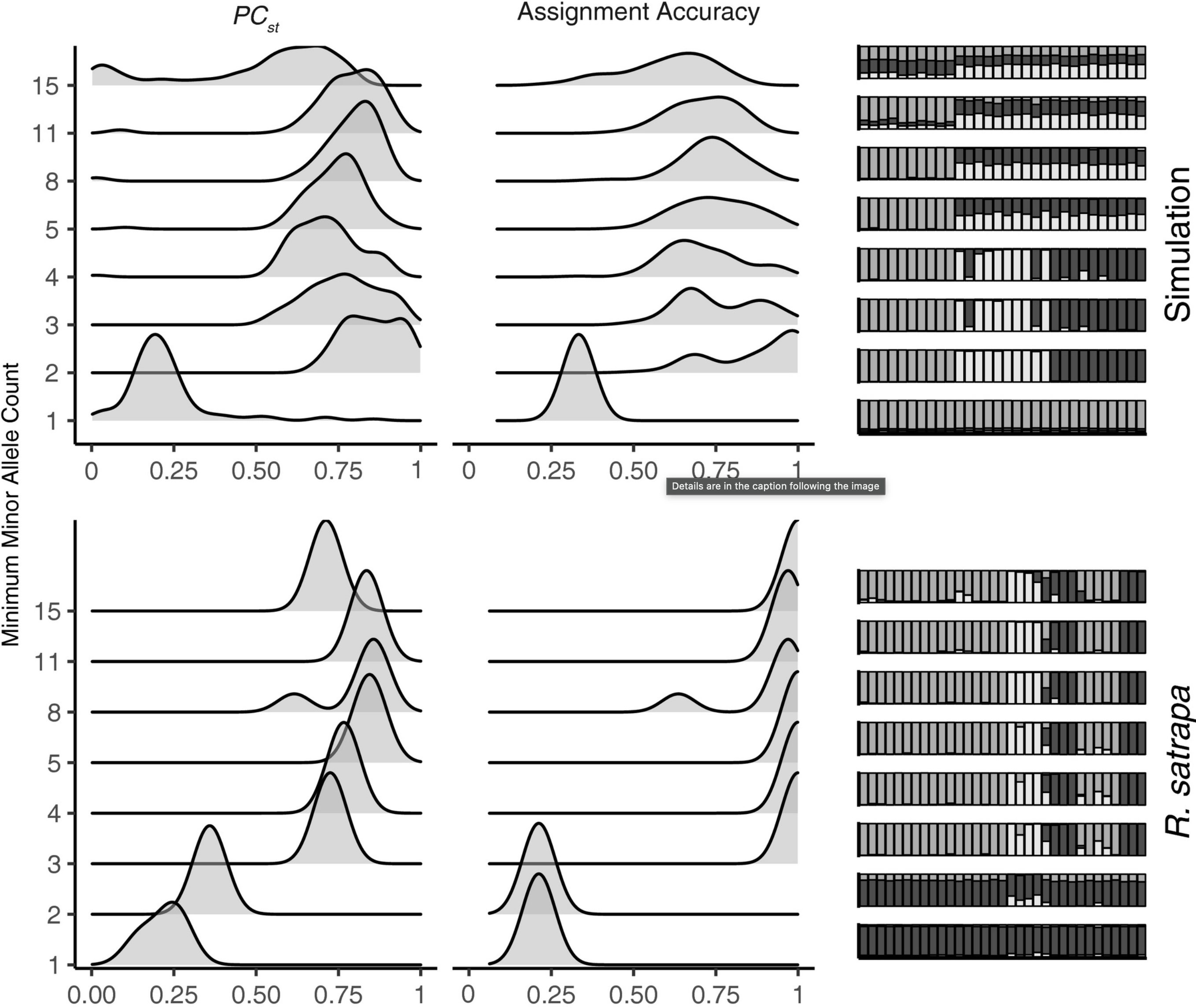
Molecular Ecology Resources, 2019We show that dropping genetic variants where one allele is below some minimum frequency threshhold impacts inferred patterns of population genetic structure. Including variants that occur in a single individual can obscure patterns, while dropping rare but more common variants reduces statistical power. We suggest that these findings stem from both the size of data and correlations between allele frequencies and mutational age, and recommend best practices for filtering.
Wiley Top Cited Article, 2021
- DOI: 10.1111/1755-0998.12995
- Full Text
Access the paper
Nesting biology of the Blue-and-white Swallow (Pygochelidon cyanoleuca) in northeastern Ecuador
Linck, E.B., Huber, H.C., Greeney, H.F., Sheldon, K.S.
Ornitología Neotropical, 2019We report on observations of Blue-and-white Swallow nests from Yanayacu Biological Station, complementing data from elsewhere in its range. We found the species breeds from June to January, with both adults provisioning its young multiple times per hour. We include measurements of nests and eggs.
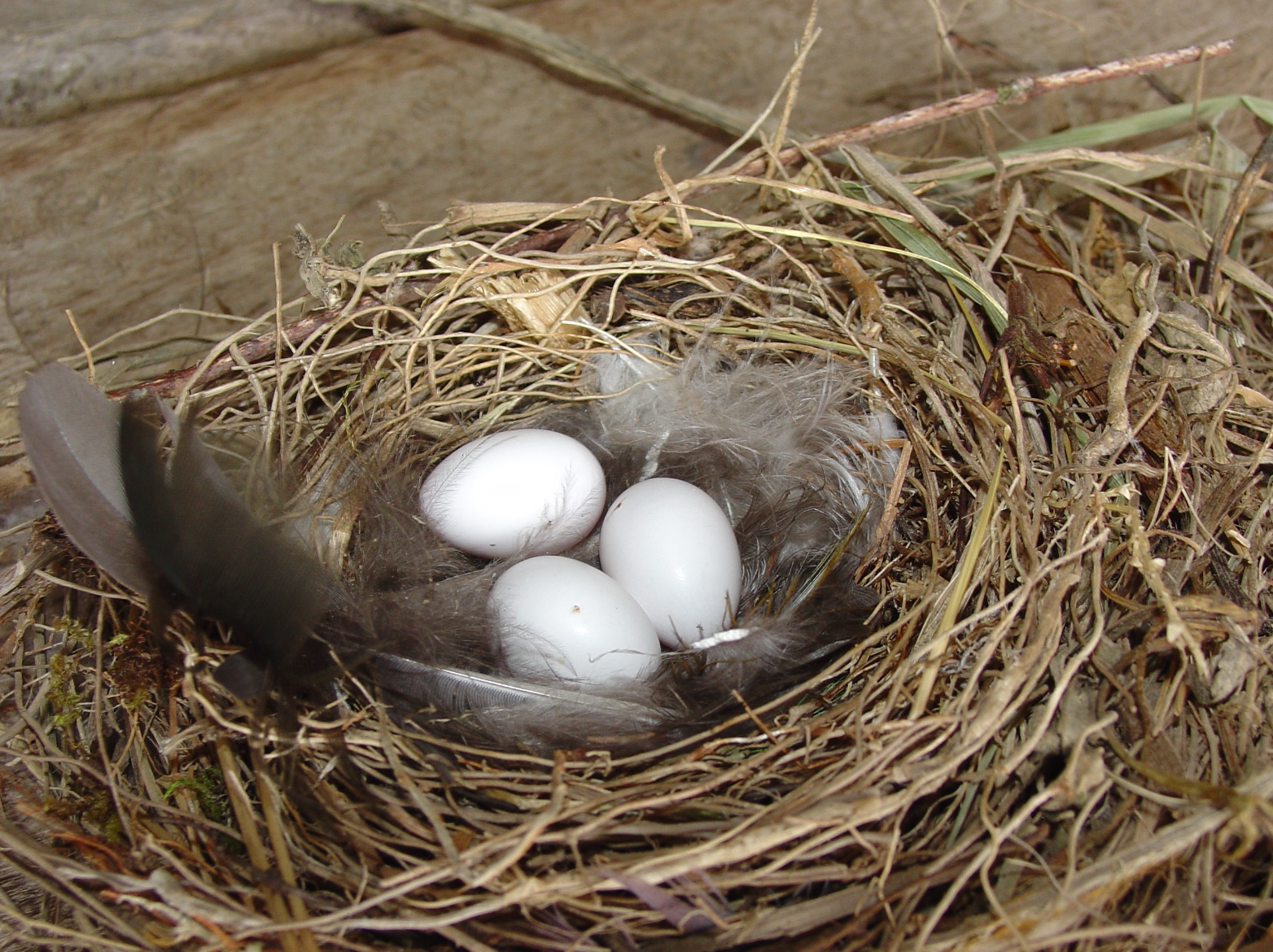
- DOI: 10.58843/ornneo.v30i0.402
- Full Text
Access the paper
A Migratory Divide In The Painted Bunting (Passerina ciris)
Battey, C.J., Linck, E.B., Epperly, K.L., French, C., Slager, D., Klicka, J.
The American Naturalist, 2018We show that breeding Painted Buntings belong to three genetic clusters with distinct wintering ranges. Unexpectedly, contiguous populations in the interior southern United States are separated by a migratory divide, with birds from Louisiana wintering in the Yucatán, while birds from Texas and Oklahoma winter on the south coast of Mexico and in Central America. Birds from the southeastern United States remain allopatric throughout the annual cycle.
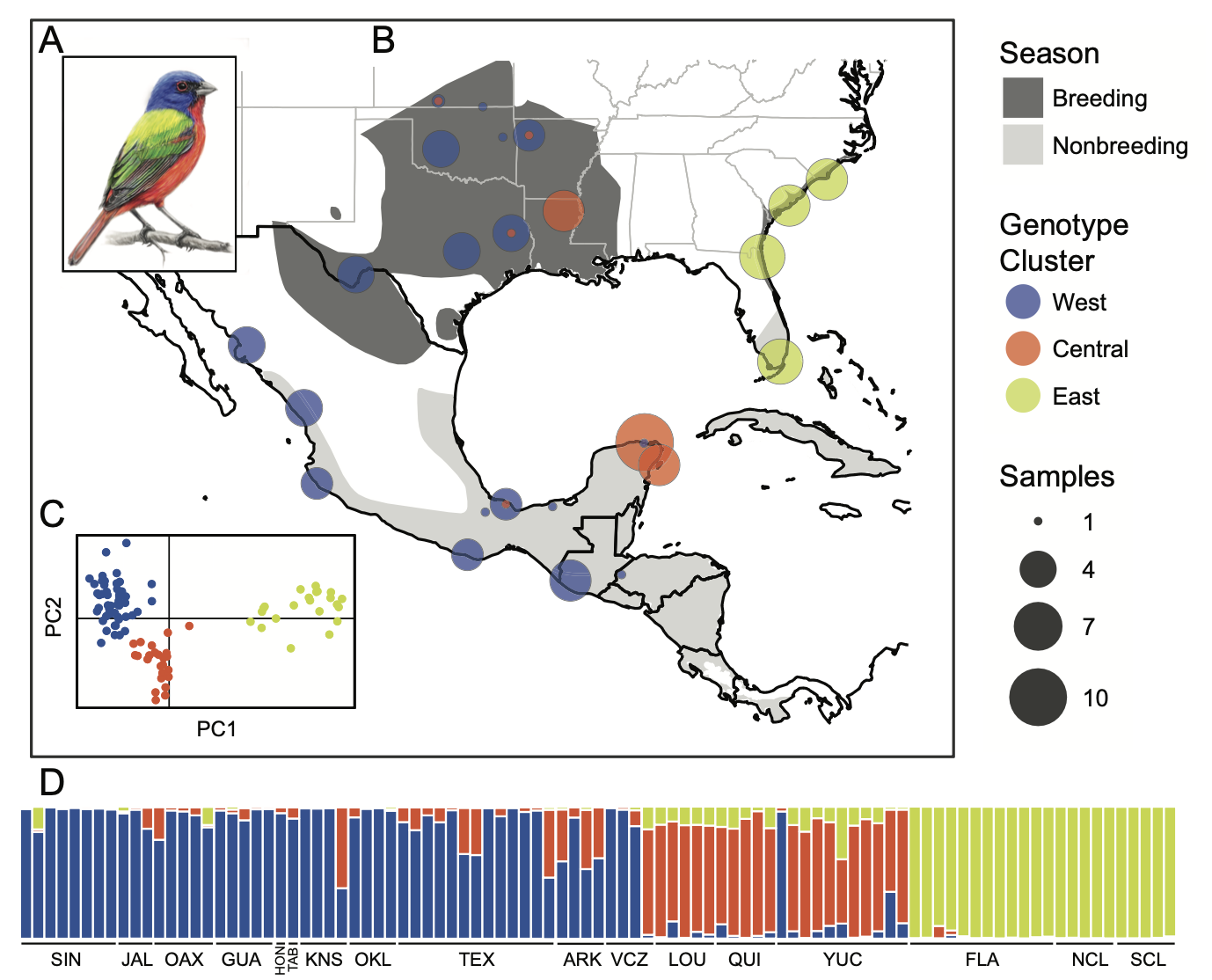
- DOI: 10.1086/695439
- Full Text
Access the paper
Evaluating hybridization capture with RAD probes as a tool for museum genomics with historical bird specimens
Linck, E.B., Hanna, Zachary R., Sellas, A., Dumbacher, J.P.
Ecology and Evolution, 2017We apply a method of retrieving genome-wide SNPs from degraded DNA to toepads of historic museum specimens of Yellow-billed Kingfisher. We report on the efficacy of the method and describe our lab protocol and bioinformatics pipeline.
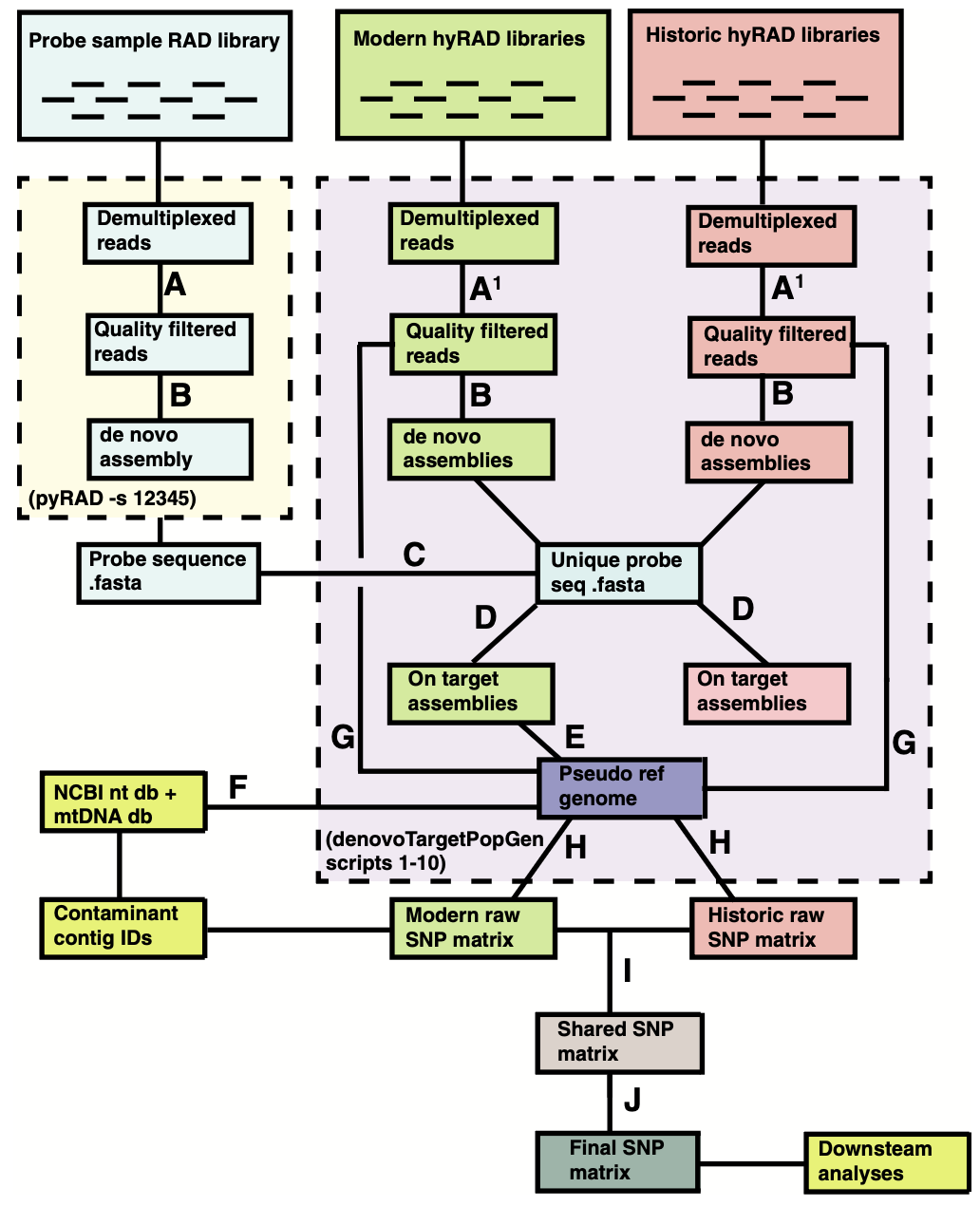
- DOI: 10.1002/ece3.3065
- Full Text
Access the paper
Assessing migration patterns in Painted Buntings using the world’s bird collections as an aggregated resource
Linck, E.B., Bridge, E.S., Duckles, J., Navarro-Sigenza, A.G., Rohwer, S.
PeerJ, 2016We use natural history museum specimen records to show changes in the abundance of molting and wintering Painted Buntings are consistent with circular migration around the central mountains of Mexico. Remote sensing data indicates these movements may be tracking primary productivity.
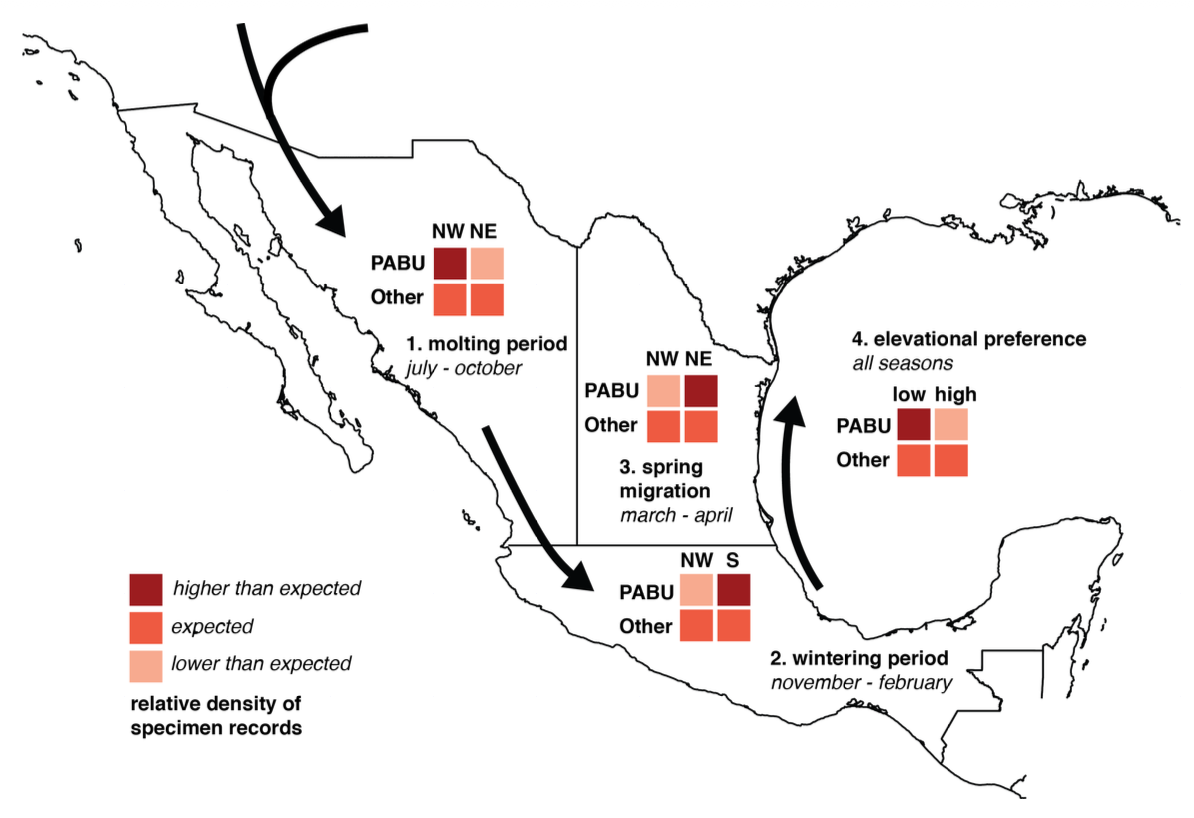
- DOI: 10.7717/peerj.1871
- Full Text
Access the paper
Genetic differentiation within a widespread ‘supertramp’ taxon: molecular phylogenetics of the Louisiade White-eye (Zosterops griseotinctus)
Linck, E.B., Schaack, S., Dumbacher, J.
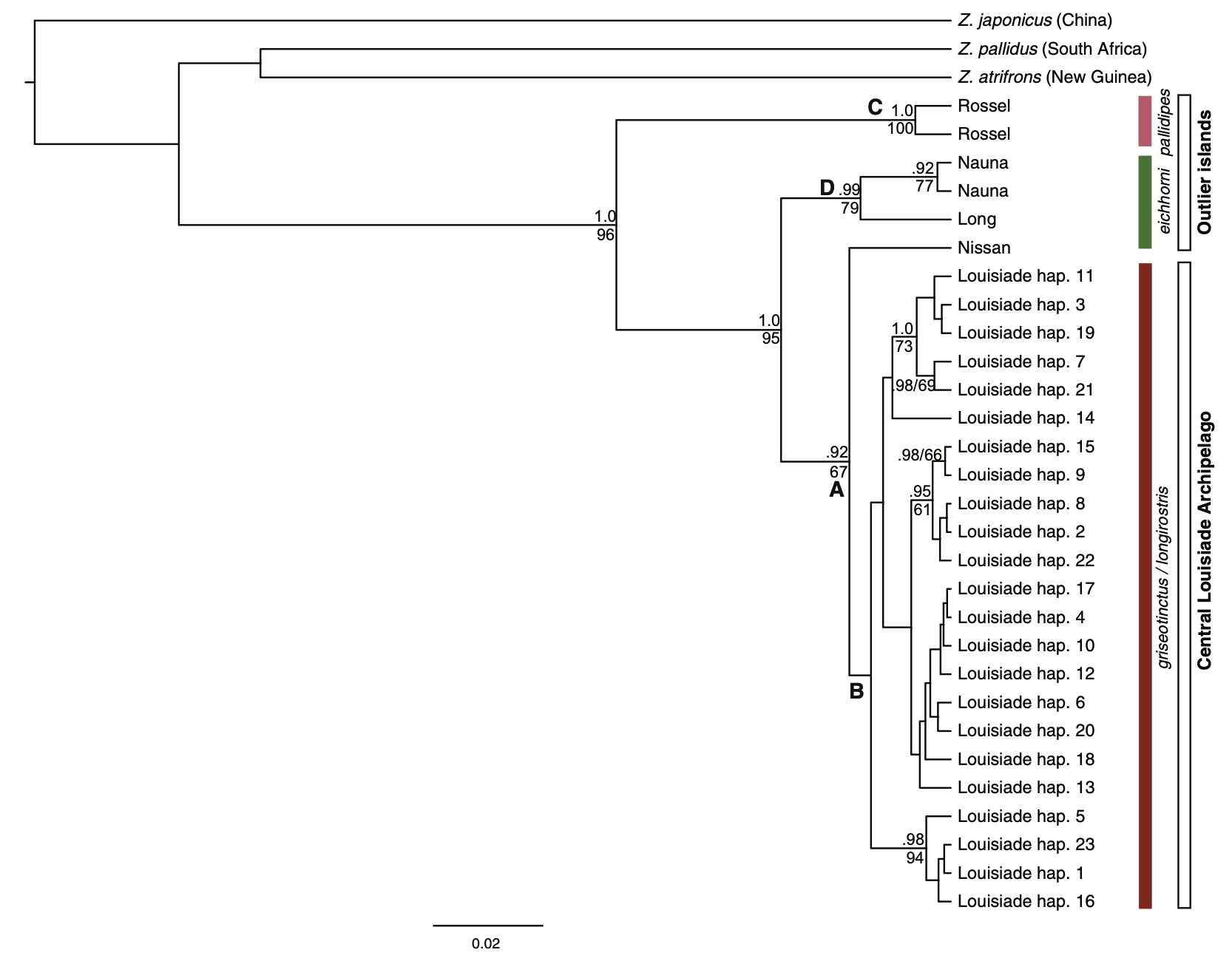
Molecular Phylogenetics and Evolution, 2016We show that the ‘supertramp’ strategy—high overwater dispersal ability paired with ecological generalism and high fecundity at the expense of competitive ability—does not prevent genetic differentiation in the Louisiade White-eye. Lineages on Long Island are distinct, suggesting they survived its presumed volcanic defaunation.
- DOI: 10.1016/j.ympev.2015.08.018
- Full Text
Access the paper
Notes on birds and logistics from the south side of Mount Giluwe, SHP
Linck, E.B.
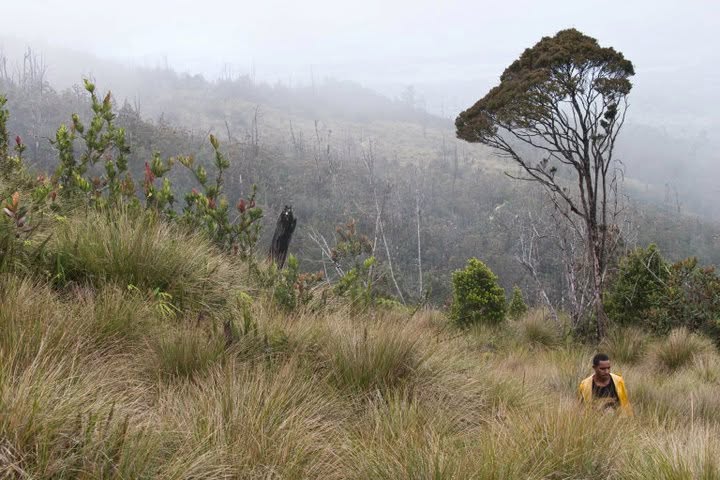
Muruk, 2010I report observations of birds made during a brief visit to the alpine grasslands of Mt. Giluwe, Papua New Guinea.
- Full Text